Introduction to Lucha Libre: A Mexican Cultural Phenomenon
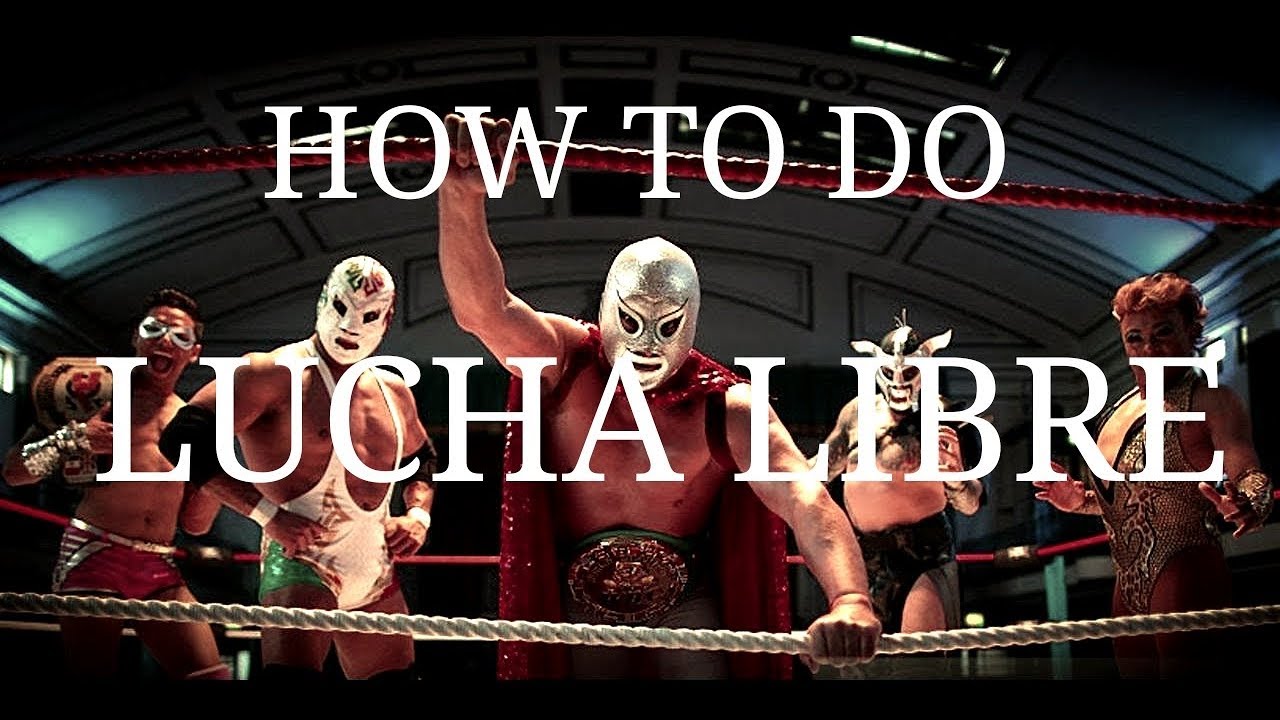
Lucha Libre, a term that translates to “free fighting,” is not just a sport but a vibrant expression of Mexican culture that has captivated audiences both domestically and internationally. Originating in the early 20th century, this unique form of professional wrestling is characterized by its colorful masks, elaborate costumes, and dramatic storytelling. Luchadores, or wrestlers, are celebrated as cultural icons, and their personas often reflect broader themes within Mexican society, such as the struggle between good and evil or the underdog triumphing against adversity. The masks worn by luchadores are particularly significant, serving as symbols of identity and mystery, and are often passed down through generations, becoming a cherished family legacy.
At the heart of Lucha Libre is its emphasis on high-flying maneuvers and acrobatics, setting it apart from other wrestling styles around the world. The matches are a blend of athleticism and theatricality, with wrestlers executing intricate sequences of flips, kicks, and holds that leave audiences in awe. This dynamic performance art form has become a staple of Mexican entertainment, drawing crowds to arenas and inspiring countless films, television shows, and even comic books. The electric atmosphere at a Lucha Libre event is palpable, with fans passionately cheering for their favorite heroes and booing the villains, known as rudos.
Moreover, Lucha Libre has transcended the confines of the wrestling ring to influence various aspects of Mexican culture and society. It has become a symbol of national pride, reflecting the creativity and resilience of the Mexican people. The sport has also played a role in social and political commentary, with luchadores sometimes using their platform to address important issues such as inequality and injustice. The crossover appeal of Lucha Libre is evident in its growing international popularity, with events held in countries across the globe and foreign wrestlers adopting the distinctive style and traditions of Mexican wrestling.
In recent years, Lucha Libre has experienced a resurgence in popularity, thanks in part to the rise of digital media and the global reach of streaming platforms. This renewed interest has introduced a new generation of fans to the rich history and exciting spectacle of Lucha Libre. From its humble beginnings to its status as a cultural phenomenon, Lucha Libre continues to be a vital and dynamic part of Mexican heritage, celebrating the spirit and diversity of the nation. As the world becomes more interconnected, the appeal of Lucha Libre’s unique blend of athleticism, artistry, and cultural significance is sure to continue its rise.
Discovering the Heart of Lucha Libre: Top Training Schools in Mexico City
Mexico City, the vibrant epicenter of Lucha Libre, is home to some of the most renowned training schools that continue to shape the future of this iconic wrestling tradition. For aspiring luchadores, the city offers a variety of schools that not only preserve the rich history of Lucha Libre but also innovate with modern techniques. These schools are pivotal in transforming passionate individuals into professional wrestlers, teaching them the intricacies of the sport and the dramatic flair that defines Lucha Libre.
Among the top training schools is Escuela de Lucha Libre CMLL, affiliated with the prestigious Consejo Mundial de Lucha Libre. Known for its rigorous training programs, this school is a cornerstone for those looking to make a mark in the wrestling world. Here, students are immersed in the technical aspects of Lucha Libre, including acrobatics, grappling, and the art of storytelling through performance. The trainers at CMLL are seasoned veterans, offering unparalleled guidance and mentorship to the next generation of luchadores.
Another significant institution is Gym Joe Lider, which offers a more personalized approach to training. This school is celebrated for its focus on developing individual styles, allowing each student to find their unique voice in the ring. With a curriculum that balances traditional techniques with innovative moves, Gym Joe Lider has produced numerous successful wrestlers who have graced both national and international stages. The school emphasizes the importance of physical conditioning, discipline, and the theatrical elements that make Lucha Libre a captivating spectacle.
For those seeking a holistic approach to wrestling, Arena Mexico provides an immersive experience in the heart of Mexico City’s wrestling scene. As the “Cathedral of Lucha Libre,” Arena Mexico offers students the opportunity to train in a historic venue that hosts some of the most significant events in the sport. The training here is comprehensive, covering everything from physical fitness and technical skills to character development and in-ring psychology. With access to world-class facilities and exposure to live events, students at Arena Mexico are well-equipped to embark on a successful career in Lucha Libre.
Meet the Masters: Renowned Lucha Libre Trainers and Their Students
Lucha Libre, the vibrant and high-flying world of Mexican wrestling, is as much about heritage and skill as it is about spectacle. At the heart of this thrilling sport are the legendary trainers who have honed the abilities of countless luchadores, passing down their expertise and passion to new generations. Renowned trainers such as Diablo Velasco, Gran Hamada, and El Satánico have become iconic figures in the wrestling community, each leaving a profound impact on their students and the sport as a whole.
Diablo Velasco, known as the “father of Lucha Libre,” was instrumental in shaping the careers of some of the most famous luchadores in history. His rigorous training regimen and keen eye for talent helped launch the careers of stars like El Santo, Gory Guerrero, and Blue Demon. Velasco’s dedication to the art of Lucha Libre and his ability to instill discipline and technique in his students set a standard that many trainers still aspire to today.
Similarly, Gran Hamada, a pioneer of the Lucha Libre style in Japan, has been a crucial bridge between Mexican and Japanese wrestling. His students, who include legends like Último Dragón and Gran Metalik, have gone on to become international sensations, showcasing the unique blend of agility and storytelling that Lucha Libre is celebrated for. Hamada’s influence extends beyond borders, proving the universal appeal of Lucha Libre’s dynamic style.
Another notable figure is El Satánico, whose influence on modern Lucha Libre is undeniable. Known for his technical prowess and in-ring psychology, El Satánico has trained a plethora of successful wrestlers, including the likes of Rey Mysterio and Eddie Guerrero. His focus on storytelling and character development has helped his students not only succeed in the ring but also capture the hearts of fans worldwide. The legacy of these masters is evident in the thriving world of Lucha Libre, where their students continue to push the boundaries of what is possible in the ring.
From Novice to Star: The Training Regimen of Lucha Libre Wrestlers
Lucha Libre, the vibrant and acrobatic form of professional wrestling originating from Mexico, demands a unique and rigorous training regimen for aspiring wrestlers. To transform from a novice into a star in this high-flying sport, athletes undergo a comprehensive training program that hones their physical prowess, technical skills, and in-ring charisma. This journey begins with mastering the basics, where novices learn fundamental moves such as arm drags, hip tosses, and body slams. Strength training is also a crucial component, with wrestlers engaging in weightlifting and cardiovascular exercises to build the endurance and power necessary for dynamic performances.
As wrestlers progress, they delve deeper into the art of Lucha Libre, focusing on the signature high-flying maneuvers that set this wrestling style apart. This includes learning to execute aerial moves such as planchas, moonsaults, and hurricanranas with precision and safety. Training sessions often incorporate gymnastics and acrobatics, enhancing agility and flexibility to ensure wrestlers can perform these spectacular moves flawlessly. Additionally, wrestlers practice ring psychology to engage the audience and create compelling narratives during matches, an essential skill for becoming a Lucha Libre star.
The training regimen also emphasizes the importance of character development and showmanship. Lucha Libre is not just about athleticism; it’s a form of storytelling that relies heavily on the personas wrestlers create. Training often includes acting and improvisation workshops, helping wrestlers develop unique characters that resonate with fans. They learn to convey emotions through body language and facial expressions, captivating the audience and elevating their in-ring performances. Wrestlers are encouraged to experiment with costumes and masks, essential elements of Lucha Libre that add mystique and intrigue to their characters.
In addition to physical and technical training, aspiring Lucha Libre stars receive guidance on nutrition and recovery. Maintaining peak physical condition requires a balanced diet and proper rest to support intense training schedules. Wrestlers are educated on nutrition plans that fuel their bodies and recovery techniques such as stretching, massage, and adequate sleep to prevent injuries and promote longevity in their careers. This holistic approach ensures that from novice to star, Lucha Libre wrestlers are well-equipped to excel in the ring and captivate audiences worldwide.
Experience It Yourself: How to Book a Behind-the-Scenes Tour of Lucha Libre Training Schools
Embarking on a behind-the-scenes tour of Lucha Libre training schools offers an unparalleled glimpse into the vibrant world of Mexican wrestling. To book your tour, start by researching the most renowned Lucha Libre training schools in Mexico. Cities like Mexico City, Guadalajara, and Monterrey are home to some of the most prestigious schools. Look for schools that offer tours or have programs specifically designed for visitors. Online reviews and travel forums can be invaluable resources for identifying which schools provide the best experiences.
Once you’ve identified a potential school, visit their official website to find contact information. Some schools may have a dedicated booking page for tours, while others might require you to reach out via email or phone. When contacting the school, inquire about the availability of tours, pricing, and what the experience includes. Be sure to ask about any specific requirements or recommendations, such as dress codes or photography restrictions. Additionally, inquire about the opportunity to meet the trainers and wrestlers, as this can enhance your understanding of the sport’s cultural significance.
Booking in advance is highly recommended, as these tours can be popular, especially during peak tourist seasons. Consider joining a group tour if available, as this can offer a more comprehensive experience and the chance to interact with fellow enthusiasts. If the school doesn’t offer formal tours, you might still have the opportunity to observe training sessions or attend live events, providing a more informal yet equally exciting way to experience Lucha Libre up close.
Finally, confirm all details before your visit, including the date, time, and any cancellation policies. Arrive early to fully enjoy the experience and immerse yourself in the world of Lucha Libre. This behind-the-scenes adventure not only deepens your appreciation for the sport but also allows you to witness firsthand the dedication and skill that goes into every match.