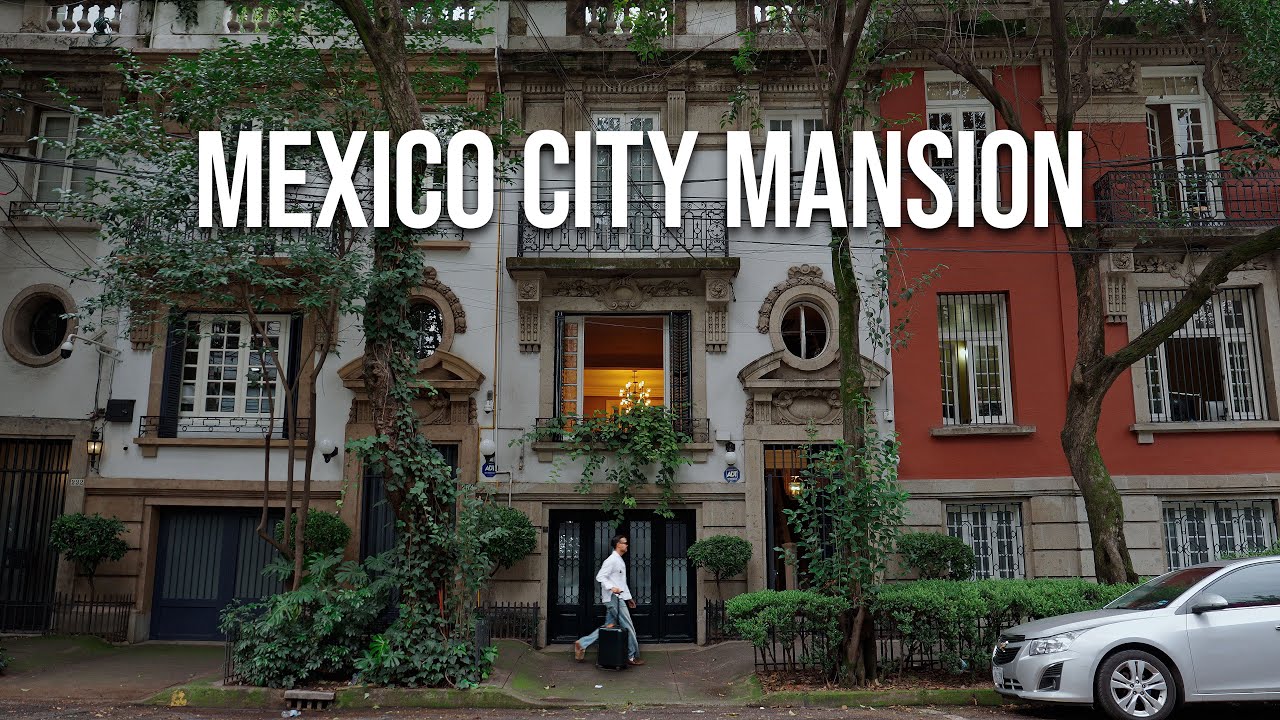
The Rise of High-End Architecture in Mexico City
In recent years, Mexico City has emerged as a vibrant hub for high-end architecture, capturing the attention of architects, designers, and investors worldwide. This transformation is evident in the city’s skyline, which now boasts a blend of contemporary designs and innovative structures that push the boundaries of traditional architecture. As Mexico City continues to grow as a cultural and economic powerhouse, the demand for luxurious and modern living spaces has surged, leading to a boom in the construction of upscale residential and commercial properties.
One of the driving forces behind this architectural renaissance is the influx of international architects and firms that have brought fresh perspectives and cutting-edge design philosophies to the city. These global influences have been seamlessly integrated with Mexico’s rich architectural heritage, resulting in buildings that are both aesthetically pleasing and functionally advanced. Notable projects such as the Torre Reforma and the BBVA Bancomer Tower are prime examples of this trend, showcasing the city’s commitment to sustainability and innovation in design.
The rise of high-end architecture in Mexico City is also fueled by the city’s burgeoning middle and upper classes, who are increasingly seeking homes and offices that offer luxury, comfort, and exclusivity. This demand has spurred the development of neighborhoods such as Polanco, Santa Fe, and Reforma, which are now dotted with sleek skyscrapers and avant-garde residential complexes. These areas not only offer state-of-the-art amenities but also provide residents with access to cultural landmarks, fine dining, and high-end shopping, further enhancing their appeal.
Furthermore, the Mexican government’s support for urban development and investment in infrastructure has played a crucial role in facilitating this architectural boom. Initiatives aimed at improving transportation networks and public spaces have made Mexico City an attractive destination for both domestic and international investors. As a result, the city is witnessing a transformation that is not only reshaping its skyline but also redefining its identity as a global metropolis.
Key Features of Bespoke Home Construction in Mexico City
Bespoke home construction in Mexico City is characterized by a unique blend of traditional Mexican architecture and modern design principles. Custom homes in this vibrant city often incorporate local materials, such as cantera stone, talavera tiles, and richly grained woods, which not only enhance the aesthetic appeal but also support local craftsmanship. These materials are often complemented by contemporary elements like expansive glass windows and open floor plans, creating a harmonious balance between the old and the new. This fusion allows homeowners to enjoy the charm and warmth of traditional Mexican design while benefiting from the functionality and style of modern architecture.
Sustainability is a crucial aspect of bespoke home construction in Mexico City. Architects and builders are increasingly focusing on eco-friendly practices, integrating features like solar panels, rainwater harvesting systems, and energy-efficient appliances into their designs. The use of locally sourced materials also minimizes the carbon footprint associated with transportation, while passive cooling techniques help reduce energy consumption in a city known for its warm climate. By prioritizing sustainability, bespoke homes in Mexico City not only provide luxurious living spaces but also contribute to environmental conservation.
In addition to architectural and environmental considerations, bespoke home construction in Mexico City places a strong emphasis on personalization and lifestyle. Homeowners work closely with architects and designers to ensure that every aspect of their home reflects their personal taste and lifestyle needs. This can include customized layouts, unique interior finishes, and tailored outdoor spaces such as gardens or rooftop terraces. The ability to incorporate personal touches ensures that each bespoke home is a true reflection of its owner, offering a living space that is as functional as it is beautiful.
Top Architects Leading the High-End Architecture Movement
In the realm of high-end architecture, a select group of visionary architects is reshaping skylines and redefining luxury living through their innovative designs and attention to detail. These architects have become synonymous with opulence and sophistication, pushing the boundaries of what’s possible in residential and commercial architecture. Their works are not just buildings; they are statements of art, culture, and sustainability, making them the forerunners in the high-end architecture movement.
Among these luminaries is Zaha Hadid, whose fluid and futuristic designs have left an indelible mark on the architectural world. Known for her bold forms and innovative use of materials, Hadid’s work transcends traditional design norms, offering a unique blend of elegance and functionality. Her legacy continues to influence contemporary architecture, inspiring a new generation of architects to embrace daring concepts and avant-garde aesthetics.
Another pivotal figure is Frank Gehry, celebrated for his iconic structures that often resemble sculptures more than conventional buildings. Gehry’s ability to combine art with architecture has earned him a place among the top architects in the high-end sector. His distinctive use of unconventional materials and forms challenges conventional architecture, creating spaces that are both visually stunning and profoundly functional. Gehry’s projects, such as the Guggenheim Museum in Bilbao, serve as benchmarks for luxury and innovation in architecture.
The high-end architecture movement is also being led by Bjarke Ingels, whose designs are characterized by sustainability and innovation. Ingels’ approach to architecture merges functionality with cutting-edge design, creating spaces that are not only aesthetically pleasing but also environmentally conscious. His projects often incorporate green technologies and sustainable practices, setting new standards for luxury architecture that prioritize ecological responsibility. Ingels’ work exemplifies the future of high-end architecture, where luxury meets sustainability in harmonious synergy.
Benefits of Investing in Bespoke Homes in Mexico City
Investing in bespoke homes in Mexico City offers a unique opportunity to capitalize on the city’s burgeoning real estate market while enjoying the personalization that comes with custom-designed properties. One of the primary benefits of investing in bespoke homes is the ability to tailor every aspect of the property to suit specific needs and preferences. This customization not only enhances the living experience but also increases the property’s market value, as potential buyers are often willing to pay a premium for homes that reflect their personal style and requirements. Moreover, bespoke homes often incorporate high-quality materials and craftsmanship, ensuring durability and a higher return on investment over time.
Location is another significant advantage when investing in bespoke homes in Mexico City. As one of the largest and most dynamic cities in Latin America, Mexico City boasts a rich cultural heritage, vibrant neighborhoods, and a thriving economy. By choosing to invest in bespoke homes, investors can strategically select prime locations that promise both aesthetic appeal and accessibility to key city amenities. Whether it’s a modern architectural masterpiece in Polanco or a charming colonial-style home in Coyoacán, the strategic location of bespoke properties can greatly enhance their desirability and long-term value.
Additionally, investing in bespoke homes in Mexico City allows investors to tap into the growing demand for luxury real estate. As the city continues to attract international businesses and expatriates, there is an increasing appetite for high-end properties that offer exclusivity and comfort. Bespoke homes, with their personalized designs and upscale features, cater perfectly to this market segment. By investing in such properties, investors not only secure a lucrative asset but also position themselves advantageously within a competitive real estate landscape that shows no signs of slowing down.
How to Choose the Right Architect for Your Bespoke Home
When embarking on the journey to create your bespoke home, selecting the right architect is a crucial step that will significantly impact the outcome of your project. The ideal architect will not only bring your vision to life but also enhance it with their expertise and creativity. Start by defining your style and needs clearly. This will help you communicate effectively with potential architects and ensure that they understand your vision. Look for architects who have a portfolio that aligns with your aesthetic preferences and project requirements. This initial alignment is essential to foster a productive collaboration.
Research and recommendations are key when choosing an architect for your bespoke home. Begin by asking friends, family, or colleagues who have undertaken similar projects for recommendations. Online platforms, such as architecture websites and social media, can also provide valuable insights into an architect’s work and reputation. Once you have a shortlist of potential candidates, delve deeper into their past projects. Pay attention to the quality of their work, their attention to detail, and their ability to handle projects similar in scope to yours. Reviews and testimonials from previous clients can offer additional perspectives on their professionalism and reliability.
After narrowing down your list, arrange interviews with prospective architects. This is your opportunity to gauge their communication skills, enthusiasm, and understanding of your project. During these meetings, discuss your budget, timeline, and any specific requirements you might have. Ask about their design process, how they handle challenges, and their approach to collaboration. It’s important to choose an architect who listens attentively and is open to incorporating your ideas while providing expert guidance. Ultimately, the right architect for your bespoke home is one who combines technical skill with a genuine commitment to realizing your vision.